
Misconceptions of pain management
What's actually happening when exercise leaves you sore, and why some of the most common ways people respond to it can make things worse.
Last updated November 2, 2026
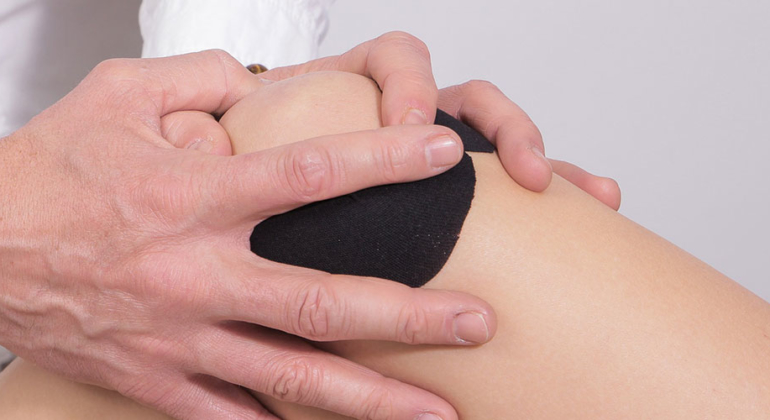
Aside from an outright injury, exercise-related pain generally falls into one of three categories: muscle pain, soreness, or cramping, and each has a different underlying cause.
Muscle pain, soreness, and cramps
Muscle pain shows up during exercise or right after a session, when working at an intensity your body isn't used to leaves muscles fatigued and short on oxygen, which interferes with how muscle cells process lactic acid.
Soreness is usually delayed onset muscle soreness (DOMS), an inflammatory response to micro-tears in muscle fibers from intense training. It typically peaks 24 to 48 hours after exercise and can come with temporary strength loss, reduced range of motion, and elevated creatine kinase, an enzyme found in the heart, brain, and skeletal muscle.
Cramps are sudden, intense muscle contractions linked to motor neuron hyperexcitability. They were once thought to come purely from electrolyte loss through sweat, but poor circulation, fatigue, dehydration, and low magnesium or potassium can all play a role too.
Three common misconceptions
When pain shows up after exercise, a few popular responses tend to do more harm than good.
Stretching an already-sore muscle
Stretching helps most before exercise, not after the fact. Many people overstretch an already-strained muscle when relaxing it, through techniques like progressive muscle relaxation, would serve them better.
Reaching for a heat pack
Sore muscles are usually already filling with fluid as part of the body's inflammatory healing response, and heat tends to add to the swelling, pressure, and pain. Heat should never go on a joint that's already hot, red, swollen, or irritated.
Assuming any comfortable shoe will do
Walking, jogging, and running all call for supportive footwear, but "comfortable" can quietly mean "worn out." Shoes that have lost their support, control, or cushioning make it harder to exercise without pain or injury, and the same goes for daily footwear, not just workout shoes.